Angle
Angle bars, also known as angle irons or L-shaped metal bars, are structural components commonly used in construction and manufacturing. They are characterized by their perpendicular sides, forming a right angle. Angle bars are versatile and find applications in various industries, including building construction, machinery fabrication, and transportation infrastructure. They provide strength and support in frameworks, braces, and other structural elements. Typically made from steel, angle bars come in different sizes and thicknesses to suit diverse needs, offering stability and reinforcement in a wide range of structural projects.
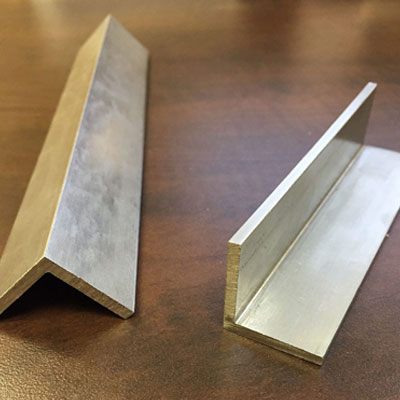
Specification of Angles
| Shape | L-shaped |
|---|---|
| Standard Length | 20 feet (6.1 meters) to 40 feet (12.2 meters). |
| Thickness | 1/8 inch to 1 inch (3.18 mm to 25.4 mm). |
| Width and Height | 1/2 inch to 8 inches (12.7 mm to 203.2 mm). |

Channel
A channel bar, often referred to simply as a "channel," is a structural steel component characterized by its distinctive "C" shape. It features a flat, wide base (known as the web) with two perpendicular flanges extending outward from the sides. Channels are commonly used in construction and engineering projects for structural support and framing. They offer versatility and strength, serving as beams, braces, and support elements in various applications such as building frames, bridges, and machinery. Channels are available in different sizes and thicknesses to accommodate different load-bearing requirements, making them a popular choice in the construction industry for their reliability and adaptability.
Specification of Channels
| Shape | U-shaped |
|---|---|
| Standard Length | 20 feet (6.1 meters) to 40 feet (12.2 meters). |
| Thickness | 1/8 inch to 1 inch (3.18 mm to 25.4 mm). |
| Width and Height | 1 inch to 12 inches (25.4 mm to 304.8 mm). |
Beam
Beam bars, also known as beams or I-beams, are structural components widely used in construction and engineering projects. They are characterized by their distinctive "I" shape, featuring a vertical web connected to horizontal flanges at the top and bottom. Beam bars are designed to withstand bending and shear forces, making them essential for supporting heavy loads over long spans. They play a crucial role in building frameworks, bridges, and various structural systems, providing strength, stability, and rigidity. Beam bars are typically made from steel or other materials with high strength-to-weight ratios, allowing for efficient load distribution and structural integrity. Their versatility and durability make them indispensable in modern construction practices, where they serve as primary load-bearing elements in a wide range of applications.
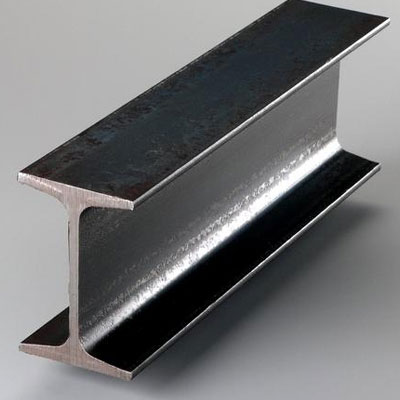
Specification of Beams
| Shape | I-shaped |
|---|---|
| Standard Length | 20 feet (6.1 meters) to 60 feet (18.3 meters). |
| Thickness | 1/8 inch to 1 inch (3.18 mm to 25.4 mm). |
| Width and Height | 3 inches to 24 inches (76.2 mm to 609.6 mm). |
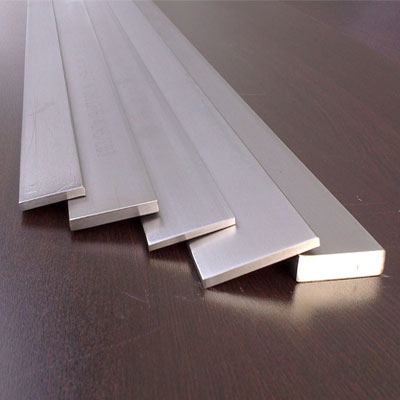
Flats
Flat bars are metal bars with a flat, rectangular cross-section. They are commonly made from steel but can also be crafted from other metals like aluminum, stainless steel, or brass. Flat bars are versatile structural components used in various industries including construction, manufacturing, and fabrication. They are often utilized for framework, support structures, braces, and decorative purposes. Flat bars come in a range of widths, thicknesses, and lengths to suit different applications. Their flat surface makes them ideal for welding, machining, and forming into custom shapes or structures. Whether providing support in building construction, reinforcing machinery, or serving as decorative accents, flat bars are valued for their strength, durability, and adaptability across diverse engineering and design needs.
Specification of Flats
| Shape | Rectangular |
|---|---|
| Standard Length | 20 feet (6.1 meters) to 40 feet (12.2 meters). |
| Thickness | 1/8 inch to 1 inch (3.18 mm to 25.4 mm). |
| Width | 1/2 inch to 12 inches (12.7 mm to 304.8 mm). |
Square Pipes
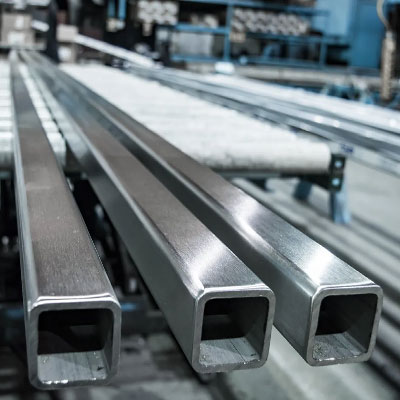
Square pipes, also known as square tubes or hollow structural sections (HSS), are metal tubes characterized by their square cross-section. They are commonly made from steel but can also be manufactured from other materials like aluminum or stainless steel. Square pipes are widely used in construction, infrastructure, manufacturing, and various industrial applications. They offer excellent strength-to-weight ratios and are particularly suited for applications requiring structural support, such as building frames, columns, and trusses.
We Export in Countries Likes
UAE, Saudi Arabia, Kuwait, Oman, Bahrain, Qatar, Iran, Sri lanka, Zimbabwe, Sudan, Russia, Kenya, Tanzania, Nigeria, Uganda, Ghana, Peru, Philippines, Jordan, South Africa, Egypt, Turkey, Singapore, Thailand, Malaysia, USA.
Our Application Industry
Powerplant Industry


Defense Industry
Paper Industry


Dairy Industry
Automotive Industry